 In today’s fast-paced business environment, leveraging the right technology is key to enhancing productivity and fostering a competitive edge. At CyberProtex, we understand that a tech-savvy workspace is not just about having the latest gadgets but about integrating tools and systems that streamline operations, enhance collaboration, and safeguard your business.
Enhanced Communication and Collaboration Effective communication and collaboration are the backbones of a productive workplace. Microsoft 365 brings together a suite of productivity tools like Word, Excel, PowerPoint, and Outlook, alongside robust communication and collaboration tools like Teams and SharePoint. These tools enable seamless collaboration, whether your team is in the office or working remotely. With cloud storage and mobile apps, you can work from anywhere, anytime, ensuring that your team remains connected and productive. Additionally, utilizing video conferencing solutions such as Zoom or Microsoft Teams can facilitate virtual meetings and webinars, making it easier for remote teams to stay in sync. Streamlined Project Management Managing projects efficiently is crucial for maintaining productivity. Microsoft Dynamics 365 is a powerful tool that helps streamline operations and manage projects more effectively. From CRM to ERP, Dynamics 365 allows businesses to integrate their processes, drive innovation, and transform customer experiences. By utilizing Dynamics 365, teams can keep track of project progress, allocate resources efficiently, and ensure that deadlines are met. Incorporating project management methodologies like Agile or Scrum can also enhance your team's ability to adapt and respond to changing project requirements, further boosting efficiency. Automation of Routine Tasks Automating routine tasks frees up valuable time for employees to focus on more strategic activities. Microsoft Power Automate allows businesses to automate workflows between their apps and services to synchronize files, get notifications, collect data, and more. This automation reduces the time spent on repetitive tasks and enhances overall productivity by allowing employees to focus on higher-value work. Tools like IFTTT (If This Then That) can also be used to automate simple tasks across different apps and devices, further streamlining daily operations. Improved Data Accessibility and Security In the digital age, data is a critical asset for any organization. Microsoft Azure provides a robust cloud computing platform that offers a wide array of services including computing, analytics, storage, and networking. Azure ensures that your data is easily accessible while maintaining high levels of security. This accessibility allows for better decision-making and ensures that your data is protected against cyber threats. Regularly updating and patching your systems, along with implementing strong password policies and multi-factor authentication, can also enhance your data security measures. Optimized Work Environments with IoT The Internet of Things (IoT) is transforming workplaces by creating smarter, more efficient environments. By integrating IoT solutions with Microsoft Azure, businesses can monitor and manage their physical assets more effectively. From optimizing energy usage to enhancing building security, IoT-driven environments contribute to a more productive and sustainable workplace. Using smart office solutions like automated lighting and climate control can create a more comfortable and efficient workspace, further boosting employee productivity. Continuous Learning and Development At CyberProtex, we believe that continuous learning and development are essential for maintaining a competitive edge in the tech-driven world. We offer a range of cybersecurity certification bootcamps, such as CISSP and Security+, as well as comprehensive employee training programs. These programs ensure that your team stays ahead of cyber threats and is well-equipped to leverage the latest technological advancements. Visit cyberprotex.com/training to learn more. Encouraging your employees to pursue continuous learning through online courses, webinars, and professional development programs can also help them stay current with industry trends and best practices. Enhanced Productivity Analytics Understanding how your team works and where improvements can be made is crucial for enhancing productivity. Microsoft Power BI is a suite of business analytics tools that deliver insights throughout your organization. By connecting to hundreds of data sources, Power BI simplifies data prep and drives ad hoc analysis. This allows businesses to produce detailed reports and gain real-time insights, enabling informed decision-making and continuous improvement in productivity. Utilizing productivity tools like time-tracking software and employee feedback surveys can provide additional insights into how to optimize workflows and boost efficiency. Conclusion Integrating advanced technology like Microsoft Power BI, Microsoft 365, Dynamics 365, and Azure into your workspace can drive significant improvements in productivity and efficiency. As you adopt these tools, CyberProtex is here to ensure that your operations remain secure and your team is well-equipped to handle any cyber challenges. Contact us today to create a tech-savvy, secure, and highly productive work environment.
0 Comments
 As we navigate through 2024, the cybersecurity landscape continues to evolve at a rapid pace. With cyber threats becoming more sophisticated and pervasive, businesses must stay ahead of the curve to protect their digital assets. At CyberProtex, we’re dedicated to helping you understand and adapt to these emerging trends. Here’s a look at the top cybersecurity trends you need to watch in 2024.
1. AI-Driven Cybersecurity Artificial intelligence (AI) is revolutionizing cybersecurity. In 2024, AI and machine learning will play an even more critical role in threat detection and response. By analyzing vast amounts of data, AI can identify patterns and anomalies that might indicate a cyber attack. This enables quicker and more accurate threat detection, reducing the time to respond and mitigate potential damage. AI-driven cybersecurity tools can analyze network traffic, user behavior, and system logs to detect potential threats in real-time. These tools can also automate routine security tasks, such as patch management and vulnerability scanning, freeing up valuable time for cybersecurity professionals to focus on more complex issues. Furthermore, AI can help predict future attacks by analyzing historical data, enabling organizations to proactively strengthen their defenses. 2. Zero Trust Architecture The Zero Trust model, which assumes that no one, inside or outside the network, can be trusted, will continue to gain traction. In 2024, more organizations will adopt Zero Trust principles to enhance their security posture. This approach involves continuous verification of user identities, strict access controls, and micro-segmentation to minimize the impact of potential breaches. Implementing Zero Trust requires a shift in mindset from the traditional perimeter-based security model. Organizations must enforce least-privilege access, where users only have the permissions necessary to perform their tasks. This reduces the risk of insider threats and limits the potential damage if an account is compromised. Additionally, continuous monitoring and real-time analytics are crucial for detecting and responding to suspicious activities promptly. 3. Cloud Security Enhancements As more businesses migrate to the cloud, securing cloud environments will be paramount. In 2024, expect to see advancements in cloud security solutions, including improved encryption, better identity and access management (IAM), and enhanced security monitoring. Multi-cloud environments will also become more common, necessitating robust strategies to secure data across different cloud platforms. Cloud security challenges often stem from misconfigurations, unauthorized access, and data breaches. To address these issues, organizations should implement comprehensive security frameworks that include regular audits, automated security checks, and robust IAM policies. Encryption of data both at rest and in transit is essential to protect sensitive information from unauthorized access. Additionally, organizations should leverage cloud-native security tools that provide real-time visibility and control over their cloud infrastructure. 4. Increased Focus on Supply Chain Security Recent high-profile attacks have highlighted the vulnerabilities in supply chains. In 2024, organizations will place greater emphasis on securing their supply chains to prevent third-party breaches. This includes conducting thorough risk assessments, implementing stringent security standards for suppliers, and enhancing visibility into supply chain operations. Supply chain attacks can have devastating consequences, as seen in incidents like the SolarWinds breach. To mitigate these risks, organizations must adopt a proactive approach to supply chain security. This involves vetting suppliers' security practices, ensuring they comply with industry standards, and continuously monitoring their activities. Implementing secure communication channels and encryption for data exchanged with suppliers can further enhance security. Regularly reviewing and updating contracts to include security requirements is also essential. 5. Ransomware Defense and Response Ransomware attacks continue to be a significant threat. In 2024, businesses will invest more in proactive defense measures such as advanced threat detection, regular data backups, and comprehensive incident response plans. Additionally, there will be a stronger focus on employee training to recognize and avoid phishing attempts, which are often the entry point for ransomware. Ransomware attacks can cripple business operations, leading to significant financial losses and reputational damage. To defend against these threats, organizations should deploy multi-layered security solutions that include endpoint protection, network segmentation, and advanced threat detection systems. Regularly backing up critical data and ensuring that backups are stored offline can help organizations recover quickly in the event of an attack. Conducting simulated phishing campaigns and providing ongoing cybersecurity training to employees can also reduce the risk of successful ransomware attacks. 6. Regulatory Compliance and Data Privacy With data privacy regulations becoming stricter globally, compliance will be a top priority for organizations in 2024. Businesses must stay updated on the latest regulations and ensure they have the necessary measures in place to protect personal and sensitive data. This includes regular audits, data encryption, and transparent data handling practices. Regulatory compliance is crucial for avoiding hefty fines and maintaining customer trust. Organizations should establish a comprehensive compliance program that includes regular assessments, policy updates, and employee training. Implementing strong data encryption practices and access controls can help protect sensitive information. Transparency in data handling practices, including clear communication with customers about how their data is used and protected, is also vital. Additionally, organizations should stay informed about new regulations and adjust their compliance strategies accordingly. 7. IoT Security The proliferation of Internet of Things (IoT) devices presents new security challenges. In 2024, securing IoT ecosystems will be crucial as these devices often lack robust security features. Businesses will need to implement comprehensive IoT security strategies, including device authentication, network segmentation, and continuous monitoring. IoT devices can serve as entry points for cyber attackers if not properly secured. To protect these devices, organizations should implement strong authentication mechanisms, such as multi-factor authentication (MFA), to prevent unauthorized access. Network segmentation can isolate IoT devices from critical systems, limiting the potential impact of a breach. Continuous monitoring of IoT devices and networks can help detect and respond to suspicious activities in real-time. Regularly updating device firmware and applying security patches is also essential to mitigate vulnerabilities. 8. Human Factor in Cybersecurity Despite technological advancements, the human factor remains a critical element in cybersecurity. In 2024, there will be an increased emphasis on cybersecurity training and awareness programs. Empowering employees with the knowledge to recognize and respond to cyber threats is essential for maintaining a strong security posture. Human error is a leading cause of security breaches, making employee training a top priority. Organizations should develop comprehensive training programs that cover topics such as phishing prevention, password management, and safe internet practices. Regularly conducting simulated attacks and providing feedback can reinforce training and improve employee resilience to cyber threats. Encouraging a culture of cybersecurity awareness, where employees feel responsible for protecting company assets, can further enhance overall security. How CyberProtex Can Help Navigating the complex cybersecurity landscape can be challenging, but you don’t have to do it alone. At CyberProtex, we offer a range of services designed to help you stay ahead of emerging threats and trends:
Staying informed about the latest cybersecurity trends is crucial for protecting your business in an ever-evolving digital world. At CyberProtex, we are committed to providing you with the tools and knowledge you need to safeguard your organization. Contact us today to learn more about our services and how we can help you stay secure in 2024 and beyond. 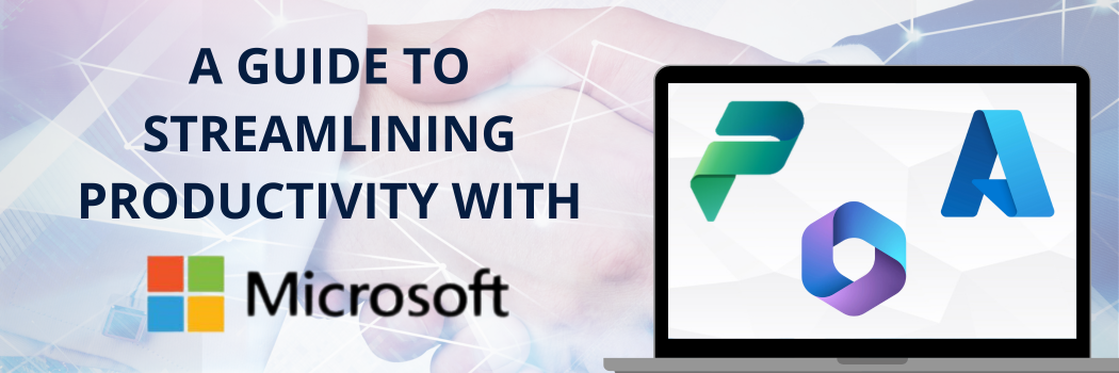 In the ever-evolving landscape of modern business, staying ahead means leveraging the right tools to boost productivity and efficiency. At CyberProtex, as a trusted cybersecurity partner and proud Microsoft Security Partner, we understand the importance of harnessing the power of technology to drive success. That's why we're here to share insights into some of the top Microsoft services that can transform your business operations  Microsoft Dynamics 365: Integrating Your Business Processes Microsoft Dynamics 365 is a comprehensive solution that combines Customer Relationship Management (CRM) and Enterprise Resource Planning (ERP) capabilities into one unified platform. It enables businesses to connect data across various departments, providing a holistic view of operations. This integration facilitates better collaboration, data sharing, and decision-making across the organization. Here's how it can benefit your business:
 Microsoft Power Platform: Empower Your Team to Innovate The Microsoft Power Platform is a powerful suite of tools designed to empower everyone in your organization, from business analysts to IT professionals, to drive innovation and solve business problems. It includes Power BI, Power Apps, Power Automate, and Power Virtual Agents, each providing unique capabilities to enhance productivity and efficiency:
 Microsoft Azure: Scale and Innovate with Cloud Services Microsoft Azure is a cloud computing platform that offers a wide range of services to help businesses innovate, scale, and grow. From virtual machines to AI and machine learning tools, Azure provides the flexibility and scalability needed to meet your business needs. Key features include:
How CyberProtex Can Help
While these tools offer immense potential, effectively implementing and maintaining them can be complex. That’s where CyberProtex comes in. Our team can assist you with:
As a Microsoft Security Partner, CyberProtex has the expertise to help you get the most out of these services. If you're interested in learning more about how these tools can benefit your organization, feel free to reach out. We're here to support your journey towards greater efficiency and productivity. Contact Us to learn more at [email protected].  Last week, as we celebrated National Small Business Week, we were reminded of the critical role that small businesses play in our economy and our communities. However, amidst these celebrations, it’s important to address a growing challenge that can significantly impact small businesses: cybersecurity threats. At CyberProtex, we recognize that small businesses often face unique vulnerabilities, and this post aims to outline practical, actionable strategies to help you secure your business in the digital age.
1. Foster a Culture of Cybersecurity Awareness Small businesses can make big strides in cybersecurity simply by educating their teams. Since resources are often limited, ensuring that every employee can recognize phishing attempts, understand the importance of strong passwords, and knows how to handle sensitive data safely is crucial. Regular training sessions, even informal ones, can make a significant difference. 2. Implement Access Control and Secure Authentication For small businesses, every user's actions can have a big impact. Implementing strong access controls, such as multi-factor authentication (MFA), ensures that only authorized personnel have access to critical systems. Solutions like MFA are now more accessible and affordable, making them a must-have for protecting your business data. 3. Keep Your Systems Updated Cyber attackers frequently target vulnerabilities in outdated software. Regularly updating your software, operating systems, and all applications is a relatively simple yet effective defense mechanism. This practice not only secures your data but also optimizes your system’s performance. 4. Utilize Affordable Threat Detection Tools Advances in technology mean that even budget-friendly cybersecurity tools now incorporate features like real-time monitoring and alerts for unusual activity. Small businesses should take advantage of these tools to get ahead of potential threats without needing to invest in expensive infrastructure. 5. Develop an Incident Response Plan Having an incident response plan is not exclusive to large corporations. Small businesses must have a clear plan in place for managing data breaches or cyber attacks. This plan should outline immediate steps to contain the breach, strategies to communicate with stakeholders, and methods to recover lost data. Quick and effective response can greatly reduce the financial and reputational damage from a cyber incident. 6. Protect Your Mobile Workforce With remote work becoming more common, ensuring that mobile connections to your business network are secure is essential. Using reputable VPN services, encouraging the use of strong encryption for data transmission, and implementing secure mobile management practices can safeguard your data on the go. 7. Schedule Regular Security Audits Even on a tight budget, regular reviews of your cybersecurity posture can help you identify potential vulnerabilities before they are exploited. Consider hiring external cybersecurity consultants for annual audits; these experts can provide insights and recommendations tailored to your specific needs. Conclusion The observance of National Small Business Week is a perfect time to reflect on not only the economic contributions of small businesses but also the importance of protecting these vital entities from cyber threats. At CyberProtex, we are dedicated to helping small businesses like yours develop robust cybersecurity strategies that are both effective and affordable. Protecting your business from cyber threats is not just about technology; it’s about ensuring the longevity and success of your hard work. Let CyberProtex help you turn cybersecurity into one of your small business's strongest advantages. Contact us today to learn more about our services tailored specifically for small businesses. Together, we can build a secure digital future. Contact us today at 256-401-7072 or email us at [email protected] to schedule a chat. We want to help you safeguard your business so you can focus on what really matters.  The Internet of Things (IoT) is no longer a futuristic concept. It's rapidly transforming industries and reshaping how businesses operate.
IoT is a blanket term to describe smart devices that are internet enabled. Example? Anything from smart sensors monitoring production lines to connected thermostats optimizing energy consumption. Experts project the number of connected devices worldwide to continue growing. It’s estimated to rise from about 15 billion in 2023 to 21 billion in 2026. IoT devices are weaving themselves into the fabric of modern business operations, but successfully deploying them on your existing network isn’t always easy. In fact, it can feel like navigating a maze. Have you been struggling with the integration of smart devices? This guide will equip you with the knowledge and steps you need. Step 1: Define Your Goals and Needs Before diving headfirst, it's crucial to have a clear vision of your goals. Ask yourself and your team a few questions, which will help ensure you’re aligning smart devices with business needs. What problem are you trying to solve with IoT? Are you aiming to improve operational efficiency? Possibly, you want to gain real-time data insights. Or you may want to enhance remote monitoring capabilities. It’s important to target your IoT device deployment. Defining the issue that it’s meant to solve helps you do that. What type of data will you be collecting? Take time to define the nature and volume of data generated by your chosen devices. This is essential for choosing the right network infrastructure. What level of security do you need? Security measures depend on the sensitivity of the data collected. You might need specific measures to protect it from unauthorized access. Go through these questions as a first step. You'll gain a clearer picture of your specific needs, enabling you to select the most appropriate IoT devices and network solutions. Step 2: Select the Right Devices and Network Infrastructure With your goals in mind, it's time to choose your components. You’ll want to look at both the devices and the infrastructure of the network. IoT Devices When choosing smart devices, consider factors like:
Network Infrastructure Your existing network might be lacking. It may not be equipped for the extra traffic and data generated by IoT devices. You may need to upgrade your bandwidth. As well as deploy separate networks for IoT devices. You may also need to invest in dedicated gateways – ones that can manage communication between devices and the cloud. Step 3: Focus on Security Throughout the Journey Security is paramount in the realm of IoT. Compromised devices can become gateways for cyberattacks. Malware attacks on IoT devices increased 77% during the first half of 2022. Here are some key security considerations: Secure the Devices Ensure the chosen devices have strong passwords. They should also be regularly updated with the latest firmware. You want to choose devices that offer features like encryption and secure boot. Secure the Devices Create separate networks for IoT devices and critical business systems. This minimizes the potential impact of a security breach on your core operations. Install Network Access Control (NAC) Install NAC solutions, such as multi-factor authentication. These controls restrict access to your network only to authorized devices. They also help you enforce security policies automatically. Track and Maintain Continuously track your network for suspicious activity. Regularly update your security protocols and software to stay ahead of evolving threats. Step 4: Deployment and Ongoing Management You should now have the necessary hardware and security measures in place. It's time to deploy your IoT devices. Here are some tips:
Step 5: Continuous Learning and Improvement The world of IoT is constantly evolving, and so should your approach. Here are some tips for continuous improvement: Analyze the Data Once your IoT devices are operational, analyze the collected data. This helps you gain insights, identify areas for improvement, and refine your strategy. Embrace Feedback Encourage feedback from stakeholders within your organization. Use it to constantly refine your implementation and address emerging challenges. Stay Informed Keep yourself updated on the latest trends and advancements in the IoT landscape. This empowers you to adapt and leverage new technologies as they emerge. Successfully deploying IoT on your business network requires careful planning. As well as prioritization of security and a commitment to continuous improvement. Get Expert Help for Your Network Devices Need help embracing a proactive approach to IoT adoption? We can help you transform your business operations. As well as unlock the full potential of smart devices at your business. Contact us today at 256-401-7072 or email us at [email protected] to schedule a chat. Article used with permission from The Technology Press.  Cloud computing has revolutionized the way businesses operate. It offers scalability, flexibility, and cost-efficiency. But cloud services also come with a downside – cloud waste.
Cloud waste is the unnecessary spending of resources and money on cloud services. These services are often not fully utilized or optimized. About 32% of cloud spending is wasted. This can lead to budget concerns as spending skyrockets. But that figure also holds opportunity. It means that you can reduce nearly a third of cloud spending by optimizing how you use cloud tools. So, how can you reduce cloud waste at your business and save money? Here are some smart tactics to consider. Conduct a Comprehensive Cloud Audit Before implementing any cost-cutting strategies, conduct an audit. It's essential to have a clear understanding of your current cloud usage. Conducting a comprehensive cloud audit allows you to identify:
Put in Place Right-Sizing Strategies Right-sizing involves matching your cloud resources to the actual demands of your workloads. Many businesses fall into the trap of overprovisioning. This means securing more user licenses or features than they need, leading to increased costs and unnecessary waste. Analyze your workload requirements and resize instances accordingly. Use tools provided by your cloud service provider, which can identify and adjust the capacity of instances. This ensures that you only pay for the resources you truly need. Use Reserved Instances and Savings Plans Cloud providers offer cost-saving options like Reserved Instances (RIs) and Savings Plans. These allow businesses to commit to a specific amount of usage. This is in exchange for discounted rates. By leveraging these options, you can significantly reduce your cloud costs over time. Carefully analyze your workload and usage patterns, then determine the most cost-effective reserved capacity or savings plan. Find a plan that aligns with your business's long-term goals. Install Automated Scaling Policies Dynamic workloads have a need for dynamic resource allocation. Install automated scaling policies. These ensure that your infrastructure scales up or down based on demand and optimizes performance. It also prevents overprovisioning during periods of low activity. Cloud services enable you to set predefined policies for scaling. Examples are AWS Auto Scaling and Autoscale in Azure. These features help ensure efficient resource utilization without manual intervention. Track and Optimize Storage Storage costs can accumulate quickly. This is especially true when data is not regularly reviewed and archived. Estimate your storage needs, then put in place lifecycle policies to automatically downsize lesser-used data. This includes transitioning less frequently accessed data to lower-cost storage options. Regularly review and delete unnecessary data to free up storage space. Adopt a proactive approach to storage management. This can help you significantly reduce costs associated with data storage. Schedule Your Cloud Resources Schedule your cloud resources to run only when you need them. For example, turn off development, testing, or staging environments during nights and weekends. Or scale down your production environment during off-peak hours. Use available tools to automate the scheduling of your cloud resources. Base this on automated rules and policies that you define. Delete Unused or Orphaned Cloud Resources Sometimes, you may forget or neglect to delete cloud resources. Resources that you no longer need or use. This can include:
Weed Out Duplicate Services Different departments in the same organization may be using duplicate services. Marketing may use one task management app, while Sales uses a different one. Centralize cloud resources and remove duplicate tools. Having everyone use the same cloud tool for the same function can save money, as well as enhance collaboration, reporting, and data integration. Embrace Serverless Architecture Serverless computing allows businesses to run applications without managing the underlying infrastructure. You pay only for the actual compute resources used for your processes. This eliminates the need for provisioning and maintaining servers. Which reduces both operational complexity and costs. Consider migrating suitable workloads to a serverless model. This can help you optimize resource use and cut cloud waste. Schedule a Cloud Optimization Assessment Today! By following these smart tactics, you can reduce cloud waste at your business, optimize your cloud spending, and help you SAVE MONEY. You can also improve operational efficiency and environmental sustainability. Are you struggling with expanding cloud costs? Need help identifying and removing cloud waste? Our team of cloud experts can help you. Contact us today at 256-401-7072 or email us at [email protected] to schedule a chat. Article used with permission from The Technology Press.  Staying ahead in business often means embracing cutting-edge technologies. New tools can unlock new avenues for growth, especially for small businesses. SMBs are often looking for affordable ways to gain a competitive advantage. One such transformative force is Generative Artificial Intelligence (GenAI).
GenAI is a technology that goes beyond automation and the AI we used to know. It can create content, solutions, and possibilities before unimaginable. It’s so revolutionary that it’s hard to go online without seeing it everywhere. Do you have a small business seeking to grow? Looking for innovative ways to navigate the competitive landscape? Generative AI can be a powerful ally! It can drive creativity, efficiency, and growth. Let’s look at how small businesses are harnessing the potential of Generative AI. Using it to elevate their marketing strategies, streamline operations, and foster innovation. The Rise of Generative AI in Small Business Marketing The landscape of small business marketing is evolving rapidly, and the integration of AI technologies is reshaping strategies for growth. Thus, small businesses are turning to GenAI to enhance their marketing efforts. This is one example of how they are leveraging it to improve profitability. 60% of SMBs say attracting new customers is their biggest challenge, while 30% say it’s marketing to prospective clients. Not surprisingly, 74% expressed interest in using AI to help. 91% of surveyed SMBs say AI has made their business more successful. This advanced form of AI enables businesses to generate things like:
How Are Small Businesses Using GenAI? 1. Image & Content Creation and Personalization Generative AI is revolutionizing image and content creation by automating the generation of diverse and engaging visuals. Using text prompts, you can generate countless image styles and create photos and graphics that resonate with target audiences. Small businesses can also leverage GenAI to personalize marketing messages, improving customer engagement and building stronger connections. 2. Enhanced Customer Experience Small businesses strive to differentiate themselves through exceptional customer experiences, and Generative AI can play a pivotal role. AI-powered chatbots and virtual assistants provide instant responses. They offer a seamless and efficient communication channel, enhancing customer satisfaction. It also frees up staff to focus on strategic aspects of relationship management. 3. Data Analysis and Decision-Making Generative AI excels at analyzing vast datasets, as well as extracting insights and informing data-driven decision-making. Small businesses can harness the power of AI algorithms, which can help them understand market trends, customer behaviors and competitive landscapes. This data-driven approach enables more informed marketing strategies. It also helps business owners optimize resource allocation, as well as maximize the impact of marketing campaigns. 4. Innovative Product Development The creative capabilities of GenAI also extend to product development. Businesses can use AI to generate innovative ideas and concepts, including designing new products and refining existing ones. AI-driven tools provide a unique perspective. One that can spark creativity, as well as set small businesses on a path of continuous innovation. 5. Efficient Social Media Management Social media has become a cornerstone of small business marketing, and Generative AI can help to streamline social media management. AI tools can analyze social media trends, schedule posts for optimal engagement, and even generate relevant hashtags and captions. This automation allows small businesses to maintain a consistent social media presence. Empowering Small Businesses for Future Growth Generative AI stands at the forefront of technological innovation. It offers small businesses a gateway to enhance creativity, efficiency, and growth. Those who harness the power of AI will gain a competitive edge. It can especially help smaller companies reach new heights of success... and do so affordably. Small businesses that embrace GenAI can streamline their operations and marketing. They can also foster a culture of innovation that propels them into the future. We’re now in a world where adaptability is key. GenAI provides small businesses with the tools to keep pace with industry changes. It also gives them the power to lead the way. The growth potential unlocked by Generative AI extends beyond marketing. It permeates every aspect of business operations. This paves the way for a future where small businesses thrive. Well, the ones that capitalize on the innovation and strategic advantage, that is. Get Expert Guidance to Keep Your SMB Technologically Competitive Things have always moved fast in the digital world. But GenAI seems to have accelerated that even more. Don’t let your small business get left behind. CyberProtex's team of technology experts can help you take a look at your current business needs, as well as how your technology is meeting them. Next, we’ll explore ways that newer solutions can cut costs and improve efficiency. Contact us today at 256-401-7072 or email us at [email protected] to schedule a chat. Article used with permission from The Technology Press.  Relentless digital innovation has defined the last few years. The symbiotic relationship between AI and cybersecurity has become pivotal. Especially when it comes to safeguarding sensitive information and digital assets. As cyber threats evolve in complexity, AI has emerged as a formidable ally. It empowers organizations with advanced tools and techniques. Helping them to stay one step ahead of malicious actors.
In this exploration, we delve into cutting-edge AI trends. The trends that are reshaping the cybersecurity realm, as well as fortifying defenses against an ever-expanding array of cyber threats. The Rise of AI in Cybersecurity As cyber threats grow in sophistication, traditional measures face challenges in keeping pace. This is where AI steps in. It offers a dynamic and adaptive approach to cybersecurity. Machine learning algorithms, neural networks, and other AI technologies analyze vast datasets. They do this at unprecedented speeds and identify patterns and anomalies that might elude human detection. 58% of security professionals expect a completely new set of cyber risks in the coming years. The integration of AI in cybersecurity doesn't replace human expertise. It enhances it, allowing security professionals to focus on strategic decision-making. All while AI handles the heavy lifting of data analysis and threat detection. AI Trends Sweeping the Cybersecurity Realm 1. Predictive Threat Intelligence AI is revolutionizing threat intelligence by enabling predictive capabilities. Machine learning algorithms analyze historical data, current threats, and emerging patterns. It does this to predict potential future cyber threats. This proactive approach allows organizations to put in place preemptive measures, as well as close vulnerabilities before hackers exploit them. 2. Behavioral Analytics Traditional signature-based approaches struggle to keep up with zero-day attacks and advanced “smart phishing.” But AI-driven behavioral analytics take a different approach. They focus on understanding the normal behavior of systems and users. Deviations from these patterns trigger alerts. This helps in identifying potential threats. Identification is based on anomalous activities rather than known signatures. 3. Autonomous Security Systems The concept of autonomous security systems, empowered by AI, is gaining prominence. These systems can automatically detect, analyze, and respond to cyber threats in real-time. This minimizes response times and reduces the impact of security incidents. The ability to automate routine security tasks enhances efficiency. It also allows human experts to focus on strategic aspects of cybersecurity. 4. Explainable AI (XAI) AI plays an increasingly critical role in cybersecurity decision-making. This makes the need for transparency paramount. Explainable AI (XAI) addresses this concern. It provides insights into how AI algorithms reach specific conclusions. This enhances trust in AI-driven cybersecurity. It also helps security professionals understand the decisions made by AI systems. 5. Cloud Security Augmentation With the proliferation of cloud services, securing cloud environments has become a priority. AI is being leveraged to enhance cloud security. A few ways that it does this is by:
6. Deception Technology Deception technology involves creating decoy assets within an organization's network to mislead attackers. Companies are now integrating AI into deception technology to make decoys more convincing as well as more responsive to attackers' behavior. This helps in early threat detection. It also provides valuable insights into attacker tactics and techniques. 7. Zero Trust Architecture Zero Trust Architecture, supported by AI, challenges the traditional security model. Where systems trust entities inside and distrust entities outside the network. AI-driven continuous authentication and monitoring ensure that trust is never assumed. It dynamically adapts access privileges. It does this based on real-time assessments of user behavior and risk factors. Embracing the Future of Cybersecurity with AI As the threat landscape evolves, the incorporation of AI in cybersecurity is important. It's not just a strategic choice, it’s a necessity. These AI trends mark a paradigm shift. They are enabling organizations to build more resilient and adaptive cybersecurity frameworks. It’s important to stay informed and embrace the transformative power of AI. This helps businesses navigate the complexities of the digital landscape. And do it with confidence, fortifying defenses against emerging threats. AI stands as a beacon of innovation. It continually pushes the boundaries of what’s possible in the realm of cybersecurity. The symbiotic relationship between human expertise and AI-driven capabilities is vital. It will shape the future of data security, helping ensure a safer digital landscape for businesses and individuals alike. Schedule a Cybersecurity Upgrade Assessment How strong are your digital defenses against sophisticated threats? The bad guys are also using AI. This means more dangerous phishing and network attacks. Need some help assessing your strength? Sign up for a cybersecurity assessment and shed light on your capabilities. We can help you incorporate AI-based protection and fortify your network from attacks. Give us a call today at 256-401-7072 to schedule a chat. Article used with permission from The Technology Press.  The battle against cyber threats is an ongoing challenge. Unfortunately, 2023 has proven to be a watershed year for data breaches.
Data compromises have surged to an all-time high in the U.S. This is based on data from the first 9 months of the year. Meaning that numbers will only end up higher for the year. The last data breach record was set in 2021. That year, 1,862 organizations reported data compromises. Through September of 2023, that number was already over 2,100. In Q3 of 2023, the top data compromises were:
This data underscores the relentless efforts of cybercriminals to exploit vulnerabilities. As well as access sensitive information. Let’s take a look at the main drivers of this increase and the urgent need for enhanced cybersecurity measures. 1. The Size of the Surge The numbers are staggering. Data breaches in 2023 have reached unprecedented levels. They've increased significantly compared to previous years. The scale and frequency of these incidents is concerning. They emphasize the evolving sophistication of cyber threats, as well as the challenges organizations face in safeguarding their digital assets. 2. Healthcare Sector Under Siege One of the most disturbing trends is the escalating number of breaches in healthcare. Healthcare organizations are the custodians of highly sensitive patient information. As a result, they’ve become prime targets for cybercriminals. The breaches jeopardize patient privacy. They also pose serious risks to the integrity of medical record, creat a ripple effect that can have long-lasting consequences. 3. Ransomware Reigns Supreme Ransomware attacks continue to dominate the cybersecurity landscape. Cybercriminals are not merely after data. They are wielding the threat of encrypting valuable information, then demanding ransom payments for its release. The sophistication of ransomware attacks has increased, and threat actors are employing advanced tactics to infiltrate networks and encrypt data. They are also using many different methods to extort organizations for financial gain. 4. Supply Chain Vulnerabilities Exposed Modern business ecosystems have an interconnected nature. This has made supply chains a focal point for cyberattacks. The compromise of a single entity within the supply chain can have cascading effects, as well as impact several organizations downstream. Cybercriminals are exploiting these interdependencies, and they use vulnerabilities to gain unauthorized access to a network of interconnected businesses. 5. Emergence of Insider Threats External threats remain a significant concern, but the rise of insider threats is adding a layer of complexity. It's added to the already complex cybersecurity landscape. Insiders inadvertently contribute to data breaches. Whether through malicious intent or unwitting negligence, organizations are now grappling with a challenge. They need to distinguish between legitimate user activities and potential insider threats. 6. IoT Devices as Entry Points The proliferation of Internet of Things (IoT) devices has expanded the attack surface. There’s been an uptick in data breaches originating from compromised IoT devices. These connected endpoints range from smart home devices to industrial sensors and are often inadequately secured. This provides cyber criminals with entry points to exploit vulnerabilities within networks. 7. Critical Infrastructure in the Crosshairs Critical infrastructure has become a target of choice for cyber attackers. This includes energy grids, water supplies, and transportation systems. The potential consequences of a successful breach in these sectors are often financial. But that’s not all. They can also extend to public safety and national security. As cyber threats evolve, safeguarding critical infrastructure has become an urgent imperative. 8. The Role of Nation-State Actors Geopolitical tensions have spilled into the digital realm. Nation-state actors are increasingly playing a role in sophisticated cyber campaigns, and these actors are often driven by political motives. They use advanced techniques to compromise sensitive data and disrupt operations. This is to advance their strategic interests in the global cyber landscape. 9. The Need for a Paradigm Shift in Cybersecurity The surge in data breaches underscores the need to rethink cybersecurity strategies. It's no longer a question of if an organization will be targeted but when. Proactive measures include:
10. Collaboration and Information Sharing Collaboration among organizations and information sharing within the cybersecurity community are critical, especially as cyber threats become more sophisticated. Threat intelligence sharing enables a collective defense against common adversaries. This allows organizations to proactively fortify their defenses, and they do this based on insights gained from the broader cybersecurity landscape. Protect Your Business from Devastating Data Breaches The surge in data breaches in 2023 serves as a stark reminder. It reminds us of the evolving and pervasive nature of cyber threats and the urgent need for heightened cybersecurity awareness, robust defensive measures, and a commitment to adapt to the ever-changing tactics of cybercriminals. Need help protecting your business? Contact us today to schedule a chat: [email protected] or 256-401-7072. Article used with permission from The Technology Press.  You cannot overstate the importance of cybersecurity. Especially in an era dominated by digital advancements.
Businesses and organizations are increasingly reliant on technology to drive operations. This makes them more susceptible to cyber threats. 66% of small businesses are concerned about cybersecurity risk. Forty-seven percent lack the understanding to protect themselves. This leaves them vulnerable to the high cost of an attack. Conveying the tangible value of cybersecurity initiatives to decision-makers can be challenging. The need for protection is clear, but executives want hard data to back up spending. We’ll explore strategies to effectively show the concrete benefits of cybersecurity measures. These can help you make the case for stronger measures at your company, as well as help you understand how your investments return value. How to Show the Monetary Benefits of Cybersecurity Measures Why does demonstrating the monetary value of digital security measures pose a challenge? The benefits of cybersecurity are often indirect and preventive in nature. This differs from tangible assets with direct revenue-generating capabilities. Investments in robust cybersecurity protocols and technologies are akin to insurance policies. They aim to mitigate potential risks rather than generate immediate financial returns. Quantifying the exact monetary value of avoided breaches or data loss can be elusive. These potential costs are hypothetical. They're also contingent on the success of the cybersecurity measures in place. Additionally, success is often measured by incidents that do not occur. This complicates efforts to attribute a clear monetary value. As a result, companies grapple with finding certain metrics. Ones that effectively communicate this economic impact. Below are several ways to translate successful cybersecurity measures into tangible value. 1. Quantifying Risk Reduction What's one of the most compelling ways to showcase the value of cybersecurity? It's by quantifying the risk reduction. Companies design cybersecurity initiatives to mitigate potential threats. By analyzing historical data and threat intelligence, organizations can provide concrete evidence. Evidence of how these measures have reduced the likelihood and impact of incidents. 2. Measuring Incident Response Time The ability to respond swiftly to a cyber incident is crucial in minimizing damage. Metrics that highlight incident response time can serve as a key indicator. They can illustrate the effectiveness of cybersecurity efforts. It’s also possible to estimate downtime costs, then correlate those to a reduction in the time it takes to detect and respond to a security incident. This demonstrates potential savings based on faster response. The average cost of downtime according to Pingdom is as follows:
3. Financial Impact Analysis Cybersecurity incidents can have significant financial implications. Businesses can quantify the potential losses averted due to cybersecurity measures. Businesses do this by conducting a thorough financial impact analysis. This can include costs associated:
4. Monitoring Compliance Metrics Many industries have regulatory requirements for data protection and cybersecurity. Demonstrating compliance with these regulations avoids legal consequences. It also showcases a commitment to safeguarding sensitive information. Track and report on compliance metrics. This can be another tangible way to exhibit the value of cybersecurity initiatives. 5. Employee Training Effectiveness Human error remains a significant factor in cybersecurity incidents. Use metrics related to the effectiveness of employee training programs. This can shed light on how well the company has prepared its workforce. Prepared it to recognize and respond to potential threats. A well-trained workforce contributes directly to the company’s cybersecurity defenses. 6. User Awareness Metrics Beyond training effectiveness, there are user awareness metrics. These gauge how well employees understand and adhere to cybersecurity policies. Use metrics such as the number of reported phishing attempts. As well as password changes and adherence to security protocols. These metrics provide insights into the human element of cybersecurity. 7. Technology ROI Investing in advanced cybersecurity technologies is a common practice. Showcasing the return on investment (ROI) can be a powerful way to show value. Use metrics that assess the effectiveness of security technologies. Specifically, in preventing or mitigating incidents. Such as the number of blocked threats. This can highlight the tangible benefits. 8. Data Protection Metrics For organizations handling sensitive data, metrics related to data protection are paramount. This includes monitoring the number of data breaches prevented. As well as data loss incidents and the efficacy of encryption measures. Show a strong track record in protecting sensitive information. This adds tangible value to cybersecurity initiatives. 9. Vendor Risk Management Metrics Many organizations rely on third-party vendors for various services. Assessing and managing the cybersecurity risks associated with these vendors is crucial. Metrics related to vendor risk management showcase a comprehensive approach to cybersecurity, such as the number of security assessments conducted or improvements in vendor security postures. Schedule a Cybersecurity Assessment Today Demonstrating the tangible value of cybersecurity starts with an assessment. One that uncovers the status of your current security measures. Knowledge is power when fostering a culture of security and resilience! Contact us today to schedule a chat: 256-401-7072 or [email protected] Article used with permission from The Technology Press. |
|
CyberProtex, LLC - 2012-2026
850 Ben Graves Dr NW Suite 306, Huntsville, AL 35816 [email protected] 256-401-7072 |

|